Empowering Coaches, Parents, and Players Through Basketball: Training for Coaches and Parents

TRAIN TO WIN

ON AND OFF THE COURT

The purpose of this training is to help coaches and parents understand how their words and actions can either positively or negatively influence their players or children. By emphasizing the importance of positive communication and behavior, we aim to equip them with the tools needed to consistently foster a positive impact.
Positive Behavior Supports (PBS)

PBS is an evidence-based framework that improves quality of life and reduces challenging behaviors by creating supportive environments. It focuses on building positive relationships, setting clear expectations, and reinforcing positive actions.

Key Elements:

  • Building Relationships: Foster trust and care by being open and valuing individuals as people, not just players.
  • Setting Expectations: Define clear, predictable expectations to guide behavior.
  • Reinforcement: Use praise, rewards, and encouragement to recognize and support positive behavior.

Goal: Help youth and players reach their full potential in a positive, structured environment.
Trauma-Informed Coaches and Parents

Trauma-informed coaches and parents play a vital role in supporting young athletes by understanding and addressing the effects of trauma. This approach enables them to respond with empathy, creating a supportive environment that fosters emotional well-being and resilience.

Importance:

  • Addressing Behavioral Issues: Trauma-informed coaching helps manage behavioral challenges constructively, creating a positive space for growth.
  • Long-Term Positive Impact: Coaches and parents who understand trauma provide players with valuable life skills that benefit them beyond sports.

Key Focus Areas:

  • Creating a Supportive Environment
  • Building Trusting Relationships
  • Promoting Emotional Well-Being
  • Encouraging Resilience
  • Enhancing Team Cohesion
  • Adapting Coaching Techniques
  • Supporting Personal Development

Trauma-informed practices empower young athletes to thrive both on and off the field.

Community Engagement: Beyond Basketball

Coaches and parents are encouraged to explore the organization’s broader impact on the community, including aspects like fundraising ethics. Reflecting on activities that genuinely educate players can shape positive lessons, such as the messages conveyed by how funds are raised. For example, instead of roadside solicitations, engaging in meaningful projects can promote valuable skills.

Importance:

  • Addressing Behavioral Issues: Trauma-informed coaching helps manage behavioral challenges constructively, creating a positive space for growth.
  • Long-Term Positive Impact: Coaches and parents who understand trauma provide players with valuable life skills that benefit them beyond sports.
Practical Application:

Parents and coaches might choose between outcomes that prioritize sports success or foster healthy, supportive relationships. Finding a balance that supports both athletic and social growth benefits players in the long term.

Uplifting Approaches in Coaching and Parenting:

Identifying common actions that may unintentionally harm team morale or individual growth, and rephrasing them to encourage positive behaviors, can improve both player experience and team cohesion.

Individual Training

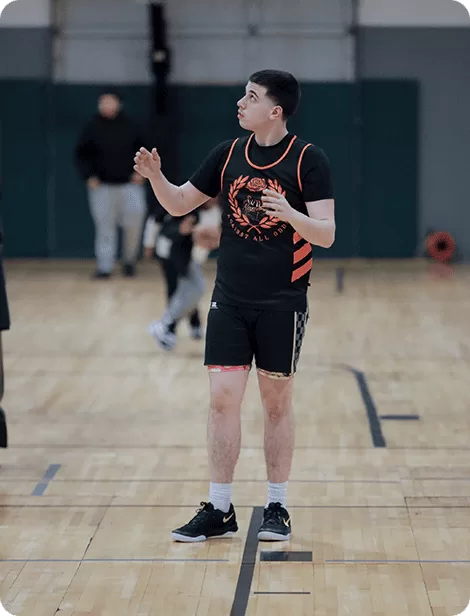
  • Balanced Footwork
  • Shooting Mechanics
  • Finishing Strong
  • Movement and Position
  • Confidence On and Off the Court
Individual Training
Small & Large Group Training

Small and Large Group Training

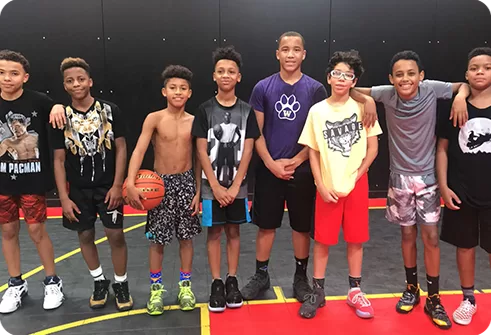
Group training combines skill development with teamwork exercises. Small group sessions allow for more individual feedback, while larger groups provide opportunities to work on team dynamics and real-game scenarios, fostering collaboration and a competitive spirit.

Team Training

Team training emphasizes cohesion and collective strategy, enhancing communication and cooperation among players. Through drills and simulated gameplay, teams learn to execute plays and build the synergy essential for competitive success.

Team Training
Mission

Our Mission

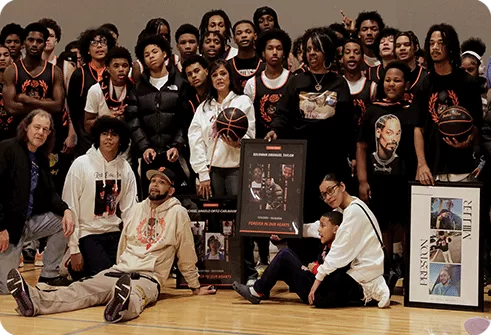
The mission of WIN Regardless is to provide a "Neutral Zone" where systemically impacted and justice-involved youth can regulate trauma and transition into long-term stability. We interrupt cycles of violence by equipping youth with mentorship and opportunities through a culturally responsive, sports-based restorative curriculum.

Develop and Strengthen Balanced Footwork

Balanced Footwork:

Develop stability and control to maintain balance during movement and shooting.

Shooting Mechanics:

Master proper form and technique for accurate, consistent shooting.

Finishing Strong:

Learn techniques for scoring effectively near the basket under pressure.

Movement and Position:

Improve court movement and positioning to create scoring opportunities.

The Mental Game:

Build focus and resilience to stay composed and strategic under stress.

Court Vision:

Enhance teammates' and opponents' awareness to make smarter plays.

Confidence On and Off the Court:

Cultivate self-assurance to boost performance and leadership skills.

Train Smarter, Play Stronger, Win Regardless

Enhancing Skills

Confidence And Teamwork

Win Regardless Training combines evidence-based techniques and trauma-informed coaching to enhance skills, confidence, and teamwork. Players grow individually while learning team strategy, performing under pressure. Coaches and parents receive tools to reinforce positive behavior, build resilience, and support long-term success on and off the court.

What Clients Say

Daniel Mercer

Clear structure and consistent messaging helped me coach with more intention. Player behavior improved within weeks, especially during high-pressure drills.

Laura Jennings

The trauma-informed approach changed how I communicate with my son. Less conflict, more trust. His confidence on the court noticeably improved.

Chris Holloway

Group sessions exposed gaps in our team communication. The training gave practical fixes we now use in every practice. It shows in our game performance.

Megan Clarke

I appreciated the focus on behavior, not just skills. It helped me support my daughter without adding pressure. She enjoys playing again.

Ryan Caldwell

The balance between individual drills and team strategy stood out. Players developed greater awareness and decision-making skills in real-game situations.

Ethan Brooks

Straightforward guidance for coaches. The emphasis on reinforcement and expectations made practices more productive and easier to manage.

Personalized Support

Individual Training | Small and Large Group Training | Team Training