
Training

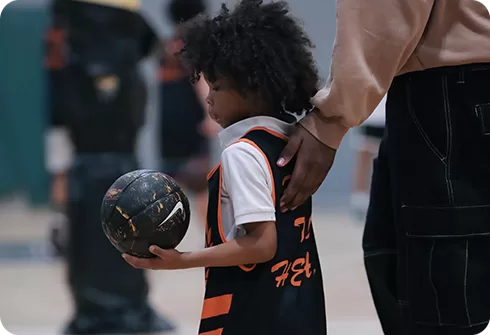
Focus on developing individual skills, team chemistry, and game strategy, all while maintaining a structured approach to physical conditioning and skill development. Individual skills and drills should focus on improving fundamentals like ball handling, shooting, passing, and rebounding. Advanced techniques, such as crossovers, one-handed passes, and defensive slides, are introduced as players progress.
Skill Development

This coaching approach recognizes that past trauma can affect a player’s emotional, behavioral, and physical responses. It aims to minimize the risk of re-traumatization while fostering resilience and growth.

Positive Behavior Training

Focus and concentration help players maintain attention throughout workouts. Confidence-building encourages players to develop a belief in their abilities and handle pressure. Visualization techniques help players imagine successful plays and overcome mental barriers.

Effective basketball training involves a combination of skill development, physical conditioning, team chemistry, and mental preparation, all while maintaining a structured and progressive approach to ensure continuous improvement.

Trauma-Informed Coaching

Acknowledges the potential impact of past trauma on players’ well-being and performance and creates a safe, supportive, and empowering environment where they can thrive.

Training Goals

The objective is to equip Coaches and Parents with the necessary tools to effectively communicate their messages without harming the player or child, thereby preserving and enhancing their relationships. Ultimately, this initiative aims to facilitate a more thoughtful and constructive impact on the player or youth both on and off the court. Key components include providing social- emotional learning skills, demonstrating positive behavioral support strategies, and offering a foundational understanding of trauma-informed practices.